There is a screenshot that floats around the internet. Zomato once updated its own Instagram bio to describe itself as ‘a meme page that also delivers food.’ That wasn’t a typo. That was a strategy — and it worked better than anything the brand had done before.
Zomato’s Instagram content marketing is one of the most studied — and most misunderstood — cases in modern digital branding. Everyone sees the memes. Fewer people understand what those memes were actually doing: building a brand so relatable that millions of Indians stopped thinking of Zomato as an app and started thinking of it as a personality.
This breakdown goes campaign by campaign through the phase that changed everything — 2020 to 2023 — when Zomato’s social content strategy stopped selling food and started talking like your most chaotic group chat.
Before the Memes: What Zomato’s Instagram Looked Like
Zomato’s Instagram account started like most brand accounts do: posting because someone said it was important to have a presence. Early content from 2015 and 2016 was earnest — restaurant spotlights, food photography, occasional promotional graphics. Then came quick-delivery campaigns. Stop-motion food videos. Cinematic restaurant collaborations. An ambitious content series called Zomato Originals featuring Rocky and Mayur, which was shelved in late 2020. content strategy, user generated content marketing, social edia content plan, zomato marketing
Each experiment added something. Each also revealed what wasn’t landing. The account was growing, but the content was competing against every other beautiful food page on the internet. There are a lot of beautiful food pages on the internet. Zomato needed something they couldn’t replicate: a point of view.
Zomato just focused on Food-oriented videos from June 2018.
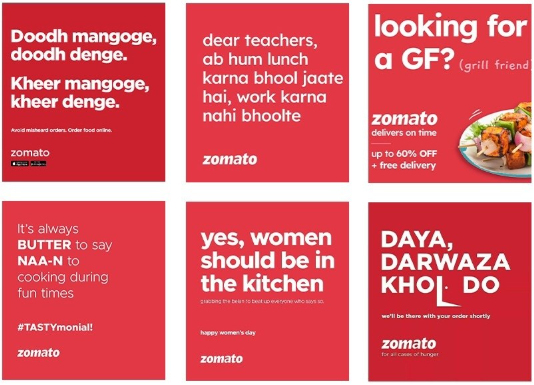
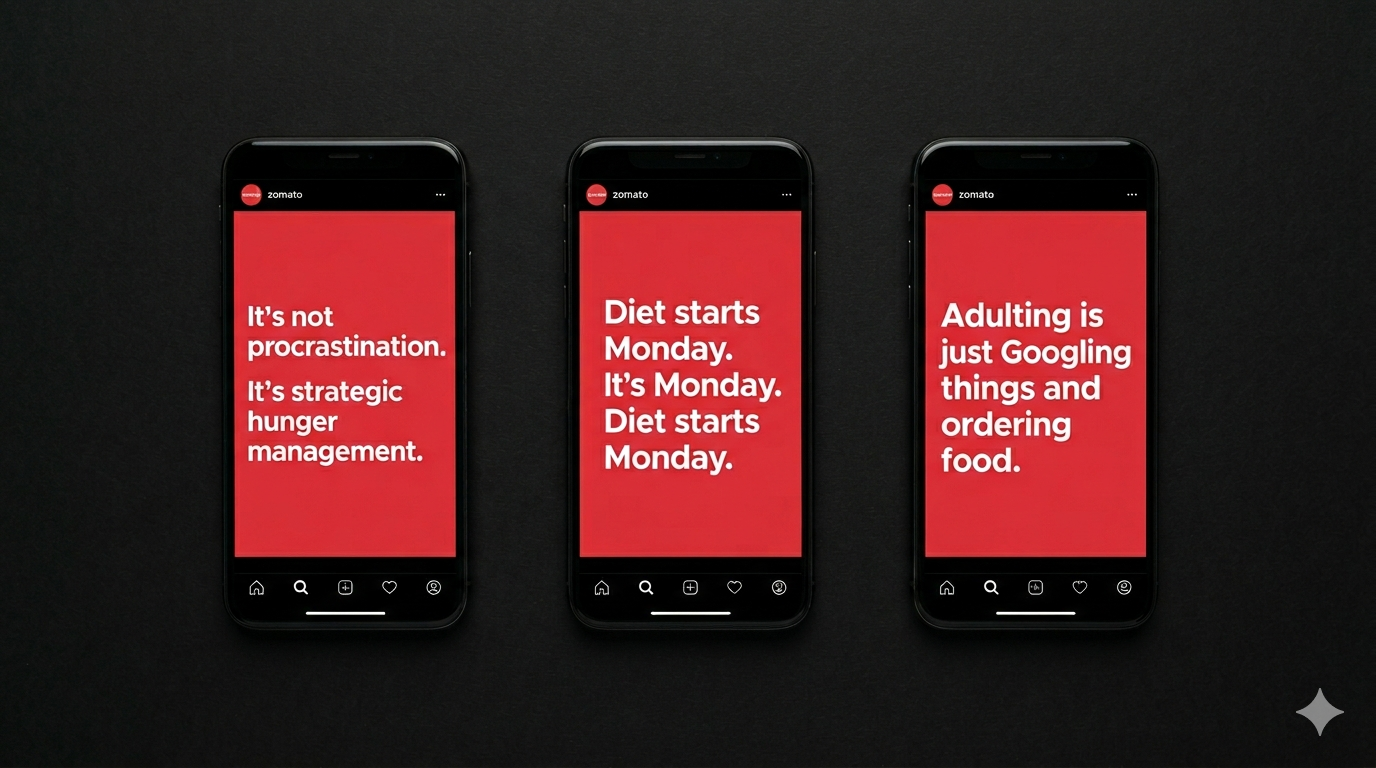
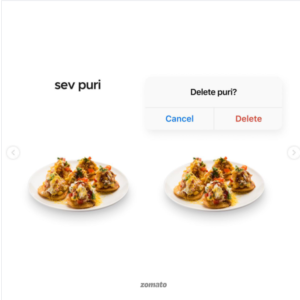
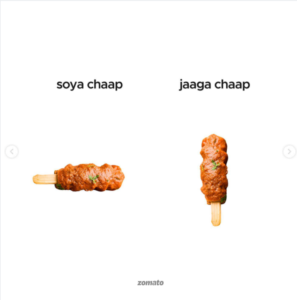
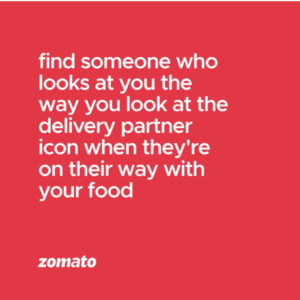
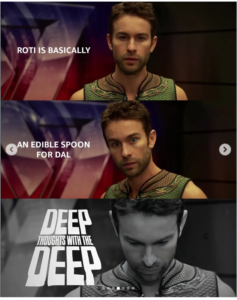
The first wave of post-pandemic memes was simple: red background, white font, dry observation about hunger, work, or the particular absurdity of being an adult. Posts like ‘Dear teachers, now we forget to have lunch but we never forget to work’ started getting not just likes, but shares — from people who felt seen, not people who liked the brand. That distinction matters more than most marketers realise.
This is where Zomato’s content strategy diverged from the industry standard. Most brands use social media to broadcast. Zomato started using it to reflect.
Why Did They Bet Everything on Memes?
Memes are the internet’s native language. They spread horizontally — friend to friend — rather than vertically through broadcast. Every share is a personal endorsement. When someone sends a Zomato meme to their colleague at 11pm, they are not forwarding a brand advertisement. They are saying: this brand gets me.
The social media content plan Zomato was building had one core insight: people do not share things because they like a brand. They share things that make them look funny, smart, or relatable. The brand just needed to show up in the right format.
The Red Background Formula: Minimalism as Design Strategy
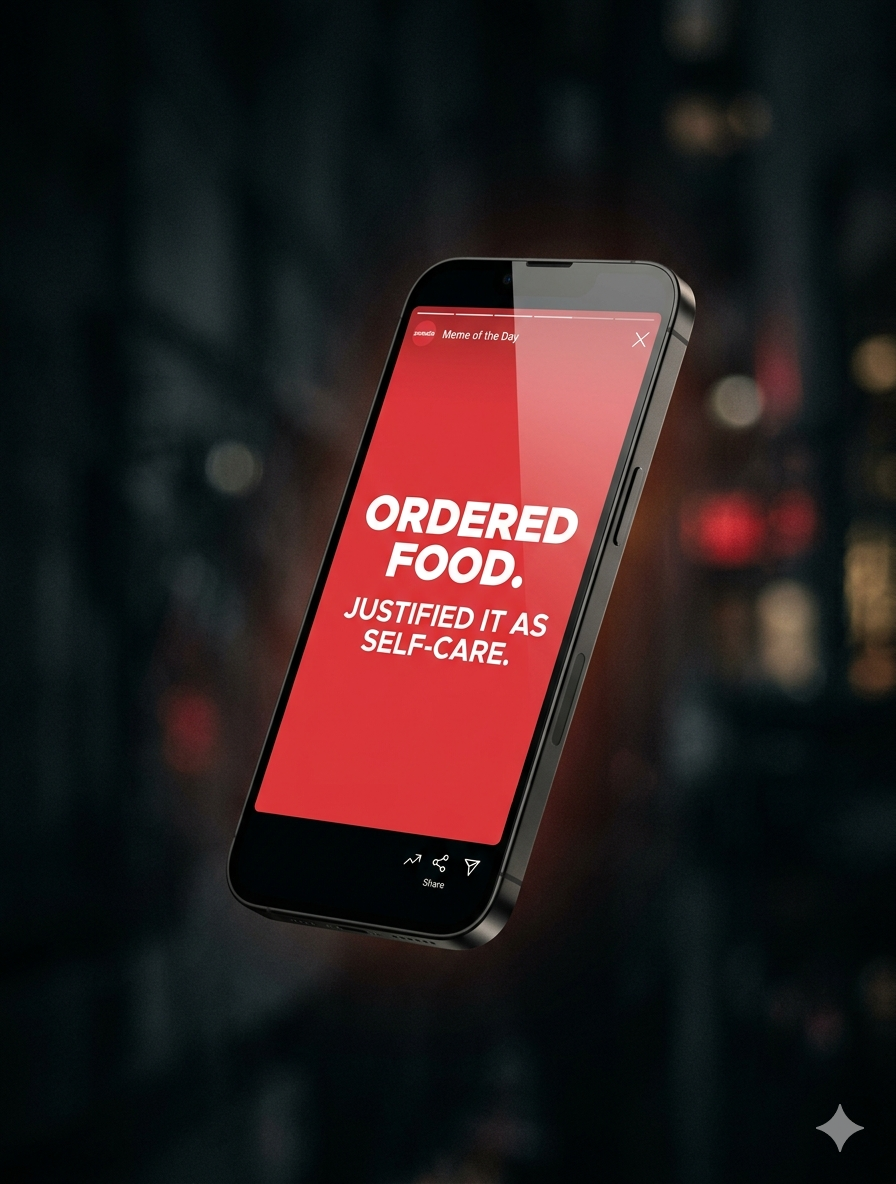
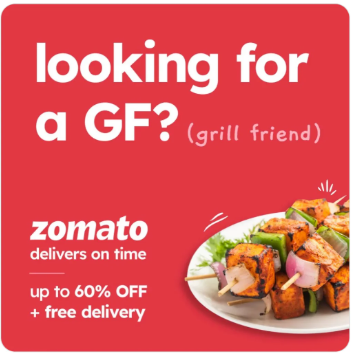
Zomato’s visual identity — red background, white Helvetica text — became a meme template in itself. The format was deliberately stripped down. No stock images. No elaborate design. Just a feeling, rendered in eighteen words or fewer. This minimalism did two things: it was cheap to produce (critical when you’re posting daily), and it looked instantly native to Instagram’s feed. It didn’t feel like an ad. It felt like something a clever person made at 2am.
The Five Types of Memes Zomato Used
Corporate absurdism (Monday morning dread, the 6pm wall), hunger-as-emotion (food as cure for everything from heartbreak to inbox anxiety), cultural moment hooks (cricket, festivals, trending news), self-aware brand humour (jokes at their own expense), and relatable life ironies (the gap between Sunday meal plans and Friday reality). Each type served a different emotional function. Together, they kept the account from becoming predictable.
Moment Marketing: Zomato's Real Competitive Advantage
Moment marketing isn’t a new concept. Brands have been attempting to insert themselves into cultural conversations since at least Oreo’s famous ‘You can still dunk in the dark’ tweet during the 2013 Super Bowl blackout. What Zomato did between 2020 and 2023 was turn moment marketing from an occasional stunt into a daily operating mode.
What Is Moment Marketing, Really?
Moment marketing isn’t a new concept. Brands have been attempting to insert themselves into cultural conversations since at least Oreo’s famous ‘You can still dunk in the dark’ tweet during the 2013 Super Bowl blackout. What Zomato did between 2020 and 2023 was turn moment marketing from an occasional stunt into a daily operating mode.
How Zomato Executed Moment Marketing Without Losing the Plot
When RRR broke box office records, Zomato posted. When India won a cricket match, Zomato posted. When Budget Day trended and everyone felt the pinch, Zomato connected it to the comfort of ordering in. When Teacher’s Day trended, they published a post working adults shared with their office WhatsApp groups immediately. Each post took the trending moment and asked one question: what would a hungry, overworked Indian millennial feel right now?
The social content strategy was essentially: be the sharpest voice in the group chat, and show up first.
Campaign by Campaign: The Meme Era Dissected (2020–2023)
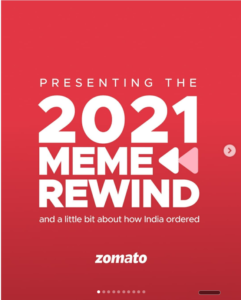
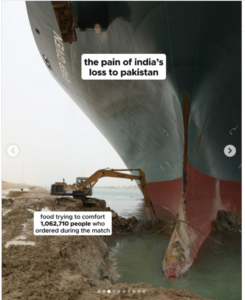
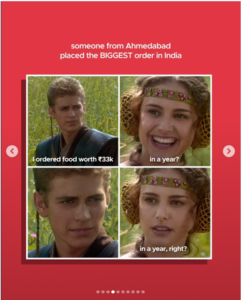
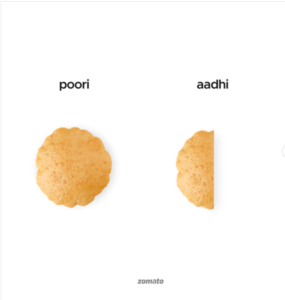
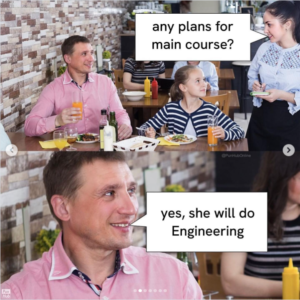
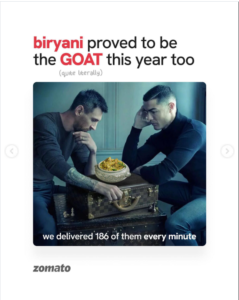
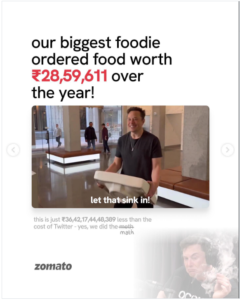
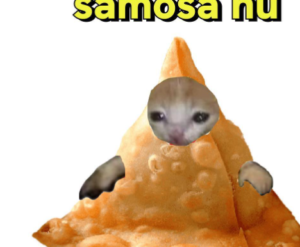
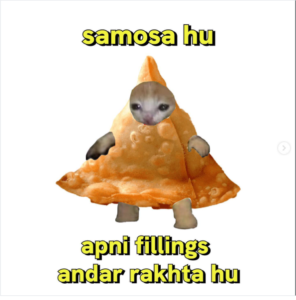
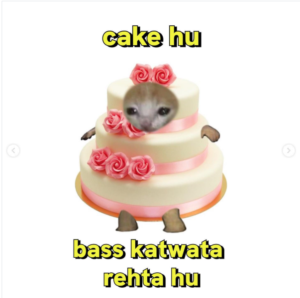
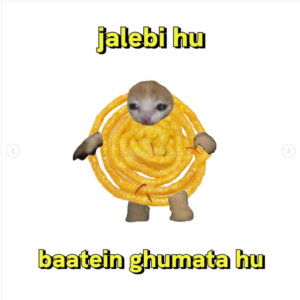
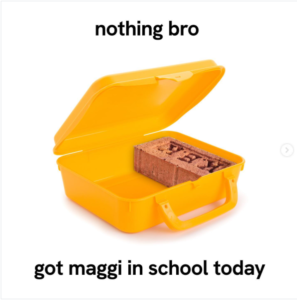
The period wasn’t one continuous campaign. It was a series of overlapping formats, each refined based on what the audience was actually doing — sharing, saving, sending. Here’s how each strand worked.
Corporate Life Memes: The Format That Built the Brand
The most consistent performer was corporate absurdism — memes about Monday mornings, toxic productivity culture, the eternal gap between lunch plans and what actually happens, the quiet existential dread of desk jobs. These posts had nothing to do with food delivery, technically. But they spoke directly to Zomato’s core user: the 22-to-35-year-old urban professional who orders food because they work too hard to cook.
These weren’t ads with a punchline. They were observations with a logo.
Festival Marketing Done Differently
Indian festivals are natural content moments — Diwali, Holi, Raksha Bandhan, Eid, Christmas. Every brand runs festival content. Zomato’s version did something most brands don’t: it found the ironic or unexpected emotional angle rather than the expected warmth-and-togetherness register. Their 2023 Raksha Bandhan campaign played the sibling dynamic for laughs instead of sentiment, and it resonated precisely because it felt personal rather than promotional. The difference between those two things is everything.
Platform-Specific Execution: The Same Voice, Different Register
Instagram got the visual memes — red background, white text, square format built for the feed. Twitter got the one-liners and real-time banter. LinkedIn got behind-the-scenes posts and brand voice insights (still fun, but professionally framed). YouTube Shorts got micro-skits. The social media content plan was platform-native by design — not adapted from a central piece of content. Most brands create one piece and distribute it everywhere. Zomato created for each platform separately. That structural difference explains most of the engagement gap
They're not after giggles now, but Relatable Memes
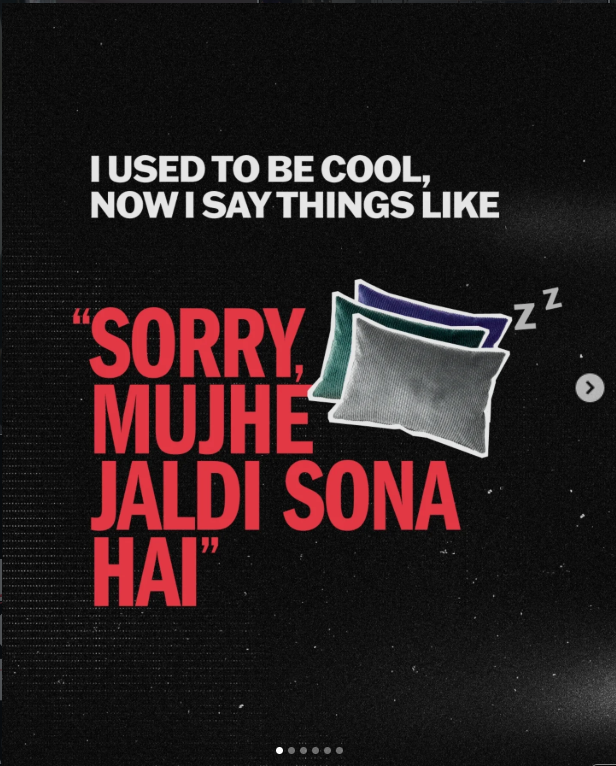
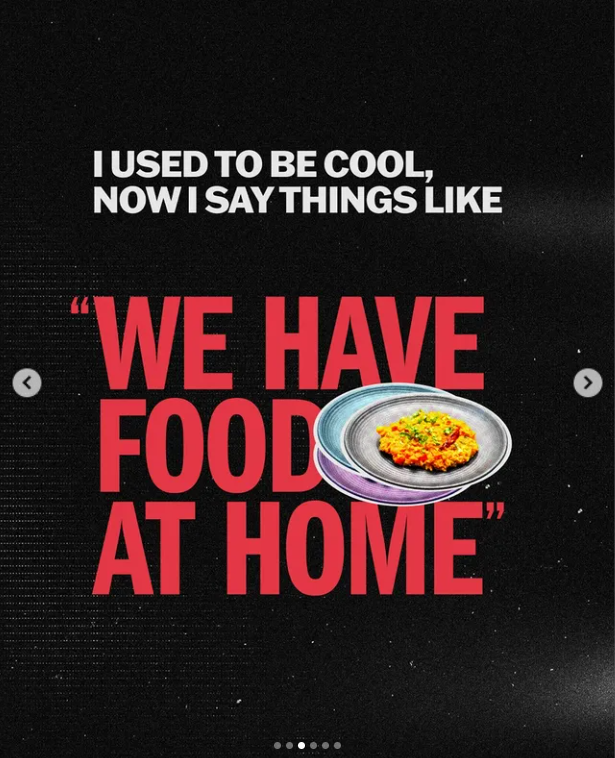
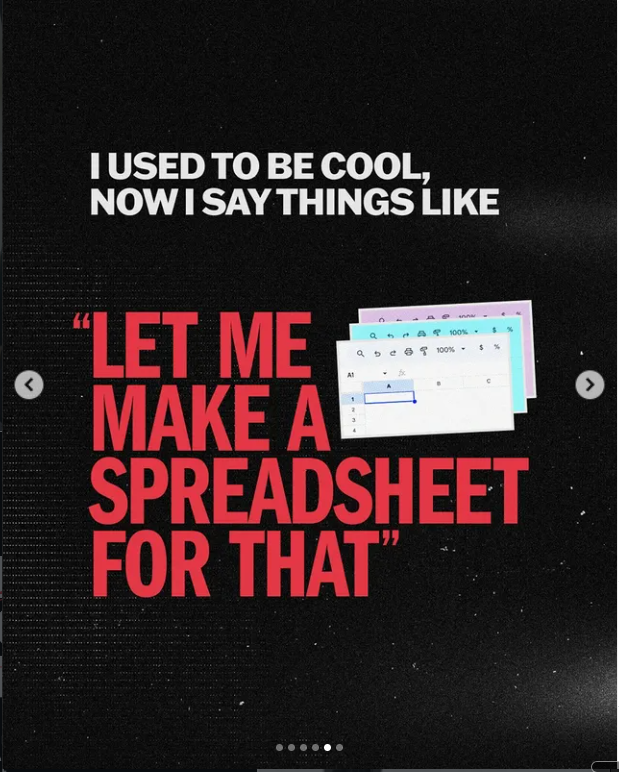
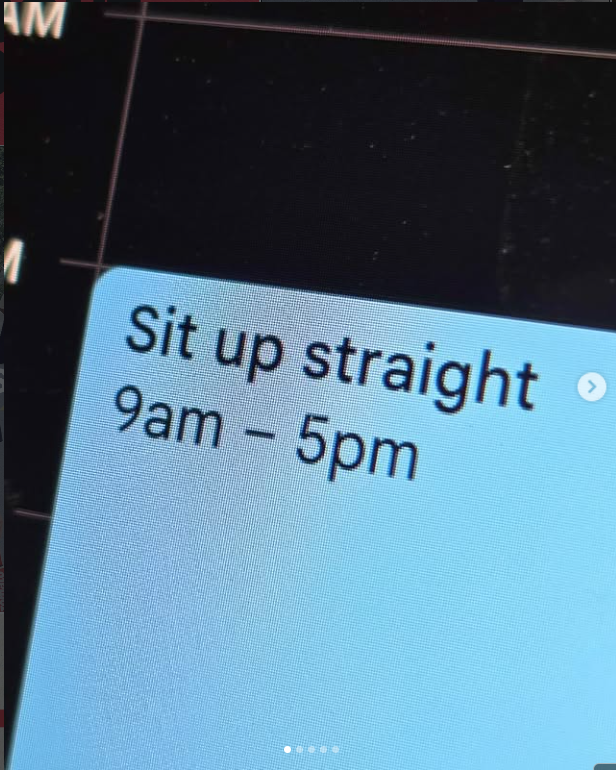
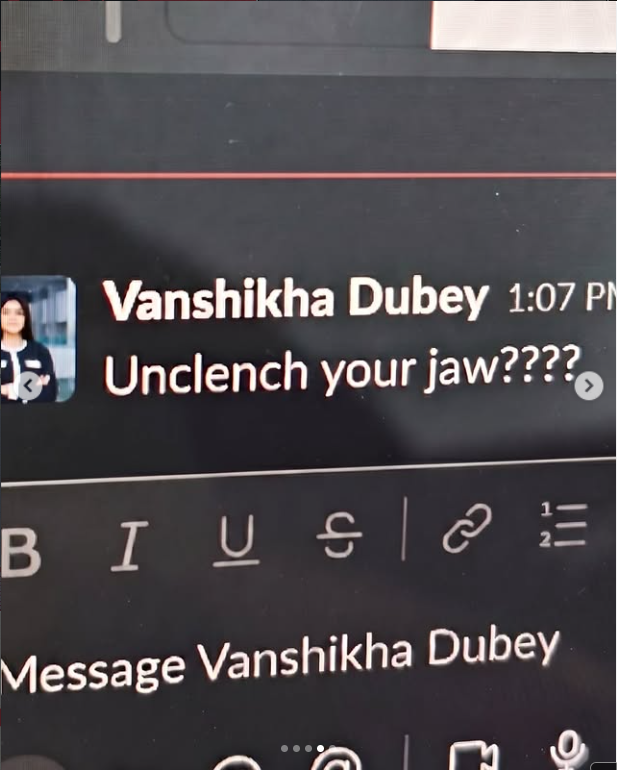
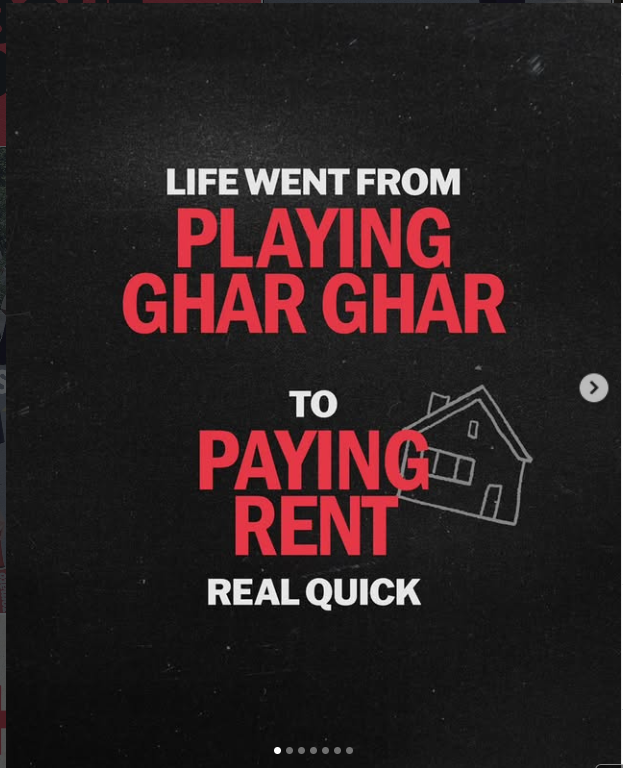
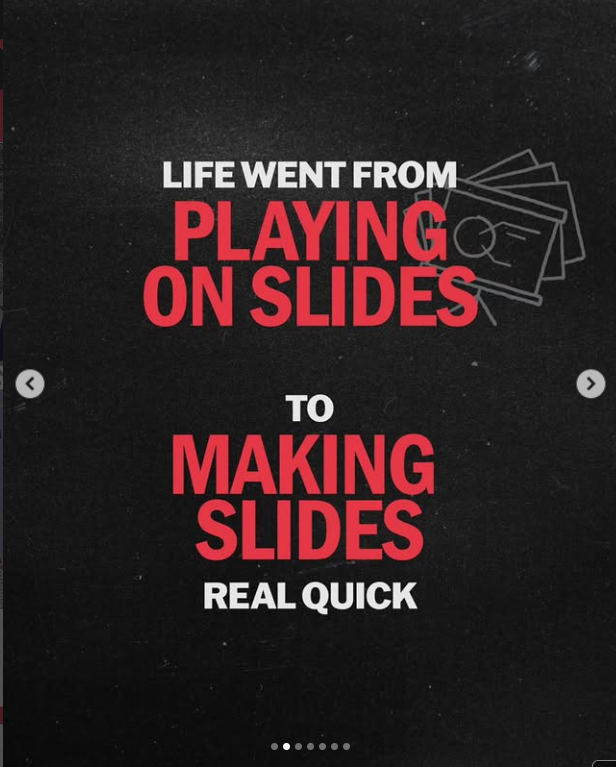
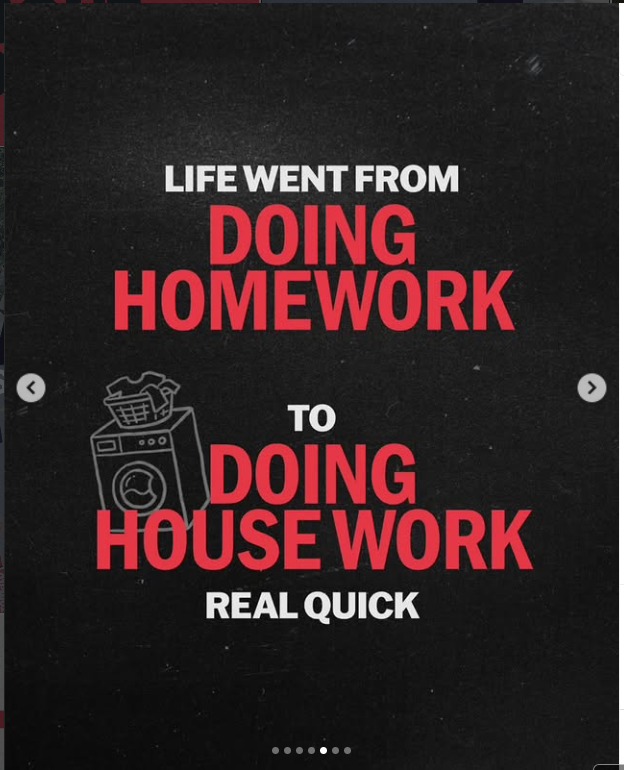
Zomato’s content strategy is mostly focused on corporate depression, as it seems. It is mostly because of the rising world loneliness and depression rate. The shift in the strategy might be more relatable, but it will never be better than the meme marketing strategy.
What Made This Social Content Strategy So Hard to Copy
Dozens of brands tried to replicate the Zomato meme format between 2021 and 2023. Most failed. The reason isn’t mysterious: they had the aesthetic (red background, white text) without the underlying content strategy.
What Zomato had was a genuine point of view. The memes were funny because they came from a specific perspective — hungry, overworked, secretly anti-hustle, always slightly ironic about everything including themselves. That perspective was consistent across thousands of posts over three years. Brands that tried to imitate it were wearing someone else’s personality, and audiences are remarkably good at noticing the difference.
Twitter recognised Zomato as the Best Brand Voice in 2020 — not for volume, but for authenticity. That award signals something more valuable than reach: trust. When a brand’s content marketing feels authentic, audiences give it permission to show up everywhere, all the time, without resistance.
The Results: Did the Meme-First Content Marketing Strategy Actually Work?
The numbers tell part of the story. Zomato reached 32 million monthly users in 2023. Social media followers grew 17% in 2024, reaching 1.2 million on Instagram alone. The #ZomatoMemes campaign generated 120 million impressions and 300,000 user-generated posts in one month. Organic traffic climbed to 48% of total sessions — up from 40% in 2023 — meaning audiences were actively seeking Zomato out rather than being pushed toward it by paid advertising.
The more interesting metric, though, is harder to quantify: Zomato became one of the most discussed brands in India without running a traditional advertising campaign during its most formative content phase. The content did the distribution. The audience did the amplification. That is what a genuinely effective content strategy in digital marketing looks like when it’s functioning at its highest level.
Conclusion: The Lesson Beneath the Memes
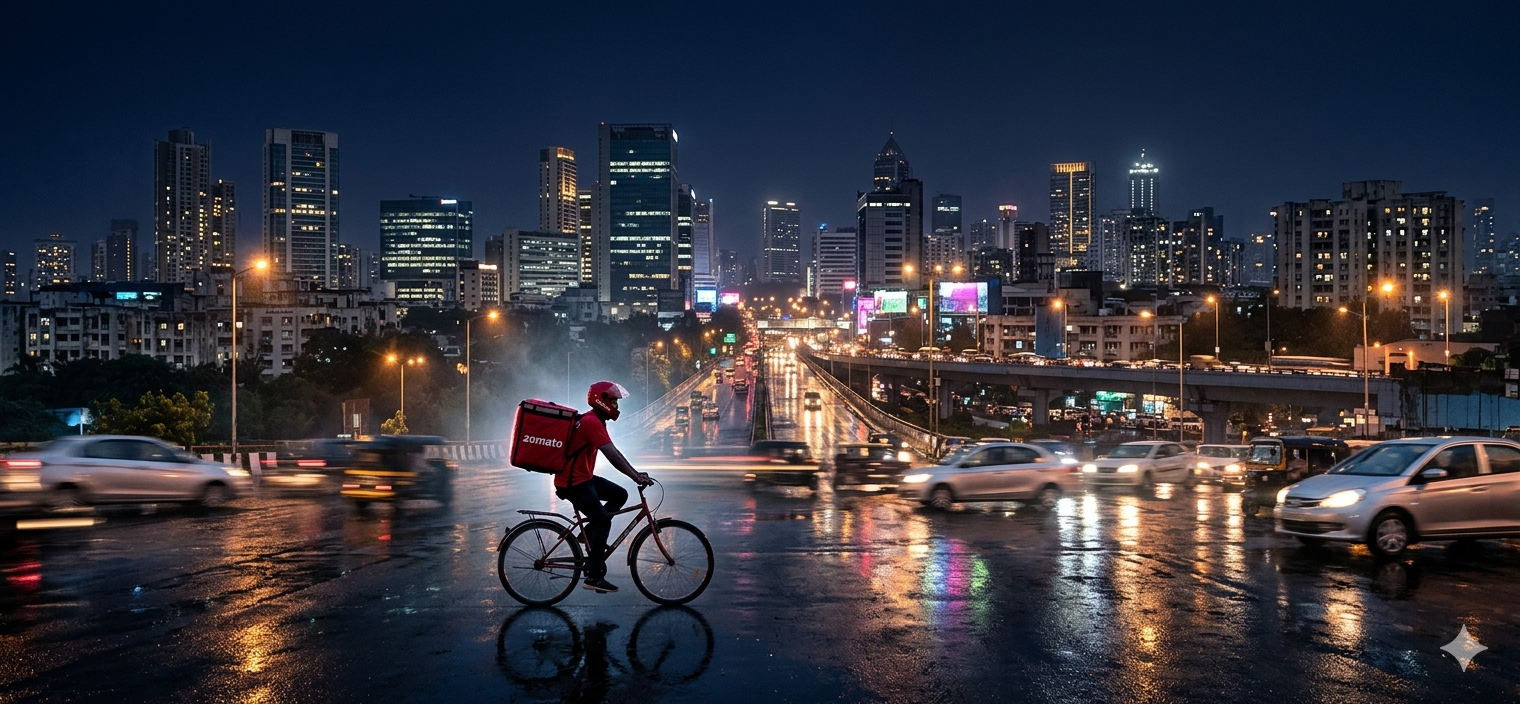
The takeaway from Zomato’s 2020–2023 Instagram era isn’t ‘post memes.’ That’s the surface. The lesson underneath is structural.
Zomato built its content marketing strategy around a single question: what do our users feel right now? Not what features should we promote. Not what discount needs amplification. What do they feel — and how do we show up inside that feeling with the right format, at the right time, in a voice they’ve already learned to trust?
The red background and white text were a vehicle. The destination was emotion. Brands that focus on the vehicle — copying the aesthetic without the strategic thinking — will keep missing that. The memes were the format. The content strategy was empathy, executed daily, at scale.
That’s content marketing in digital marketing at its highest expression: not content that sells directly, but content that resonates so consistently that selling becomes almost unnecessary. Zomato didn’t build a meme page. They built a brand that feels like a person — and people, it turns out, are very loyal to friends.
What is Zomato's content marketing strategy in simple terms?
Zomato's content marketing strategy centres on radical relatability: instead of traditional product promotion, the brand creates memes, moment marketing posts, and culturally relevant content that reflects the daily experiences of its core audience — urban Indian millennials aged 22–35. The strategy prioritises emotional resonance over direct selling, using humour, irony, and timing to stay continuously present in the audience's mental and social feed. The result is a brand that audiences actively engage with and share, rather than scroll past.
What is the difference between meme marketing and moment marketing?
Meme marketing uses culturally familiar formats — images, templates, jokes — to communicate brand ideas in a shareable, platform-native way. Moment marketing is time-sensitive: it means creating content around a specific real-time event (a cricket match, a movie release, a trending conversation) within hours while the cultural moment is still live. Zomato uses both simultaneously — their moment marketing posts are often delivered in meme format, which is what makes them spread quickly. The combination is more powerful than either tactic alone.
How does Zomato decide what to post and what to skip?
Zomato's content team monitors social listening signals — trending topics, cultural events, audience sentiment — and filters them through a simple brand-voice test: is this something a hungry, slightly cynical, overworked Indian millennial would find genuinely funny or relatable? If yes, they move fast. If no, or if the topic is politically sensitive or off-brand, they stay silent. That editorial discipline — knowing what not to post — is as central to their social media content plan as knowing what to create.
How much does Zomato's meme marketing cost to produce?
The genius of the red-background, white-text format is that it's nearly free to produce. There's no expensive photography, no elaborate design software needed, no lengthy production timeline. A single team member with a clear brief and the brand's approved font can produce a post in minutes. The investment is in the thinking — the insight, the timing, the voice — not the production. This is why smaller brands can actually replicate the strategy's economics, if not always its cultural fluency.
What are the risks of a meme-first content strategy?
Three main risks: first, brand trivialisation — if everything is a joke, serious communications lose credibility. Second, trend-chasing fatigue — audiences quickly recognise when a brand is forcing a meme format onto content that doesn't suit it. Third, cultural missteps — memes that read as tone-deaf during sensitive national moments can generate significant backlash. Zomato manages these risks through strict editorial guardrails: they avoid political topics, maintain a consistent voice, and know when to go quiet.
Is user generated content marketing something Zomato planned or stumbled into?
Both. The #ZomatoMemes campaign was a formal, planned initiative that formalised what had already started happening organically. Once Zomato's red-background format became a cultural signature, audiences began creating their own posts using the same template. Zomato recognised this as an amplification opportunity and encouraged it with the campaign — generating 300,000 user-generated posts and 120 million impressions in a single month. The lesson for other brands: when your audience starts imitating your content style voluntarily, that's a signal to lean in, not protect your format.
What results has Zomato's content strategy actually produced?
The quantifiable results are significant: 32 million monthly users in 2023, 17% Instagram follower growth in 2024, organic traffic reaching 48% of total sessions (up from 40%), and the #ZomatoMemes campaign generating 120 million impressions with 2 million shares. Twitter named Zomato Best Brand Voice in 2020. FY 2024–25 revenue reached ₹20,243 crore — a 67% year-on-year growth. While content marketing alone doesn't explain all of that, the correlation between brand affinity, reduced paid acquisition costs, and organic engagement is well-established in Zomato's case.
How can a smaller brand apply Zomato's content marketing in digital marketing without Zomato's resources?
Start with the insight, not the aesthetic. Identify the one emotional truth your core audience lives with daily — the frustration, the small joy, the irony — and build a repeatable content format around it. You don't need a red background. You need clarity about what your audience feels and the discipline to show up in that register consistently, every day, across the right platforms. Zomato's success wasn't built in a single viral moment. It was built through thousands of small, well-timed, well-voiced posts over years. That's a game anyone can play.
Written by Murtaza
Related Articles
Related
The Email Marketing Approach That Actually Gets Results in 2026
Email marketing succeeds through strategy, not sending frequency—segmentation, customer journeys, testing, and measurement consistently outperform mass email blasts. Personalized and behavior-driven emails generate the strongest results—welcome sequences, drip...
Blogging Case Study for Students | blogging strategy examples
Successful blogs are built on strategy, not volume—the highest-performing case studies focused on audits, keyword selection, and content quality rather than publishing more articles. Different growth stages require different blogging strategies—from consistent...
Return of Mascots: the humanization of brand identity | The revival of brand mascots
1. Brand Mascots Outperform Celebrities Mascots generate stronger brand recall, lower long-term costs, and greater ownership than celebrity endorsements. They become long-term brand assets that build recognition and trust over time. 2. In the AI Era, Personality Is a...

Follow Us
Join
Subscribe For Updates & Offers
Lorem ipsum dolor sit amet, consectetur adipiscing elit. Aenean scelerisque suscipit condimentum. Vestibulum in scelerisque eros. Fusce sed massa vel sem commodo.